Built natively
The Mini Arcade uses a 320 × 170 RGB565 framebuffer in PSRAM. The main application owns the display, while games remain separate C modules using shared graphics and audio interfaces.
76 C source filesESP32 PROJECT · JD-2026
A custom portable arcade built from the ground up.
A native ESP-IDF and PlatformIO project for a compact ESP32-S3 arcade system: custom controls, a dedicated RGB565 display pipeline, a growing library of games, and a playground for retro-inspired visual effects.
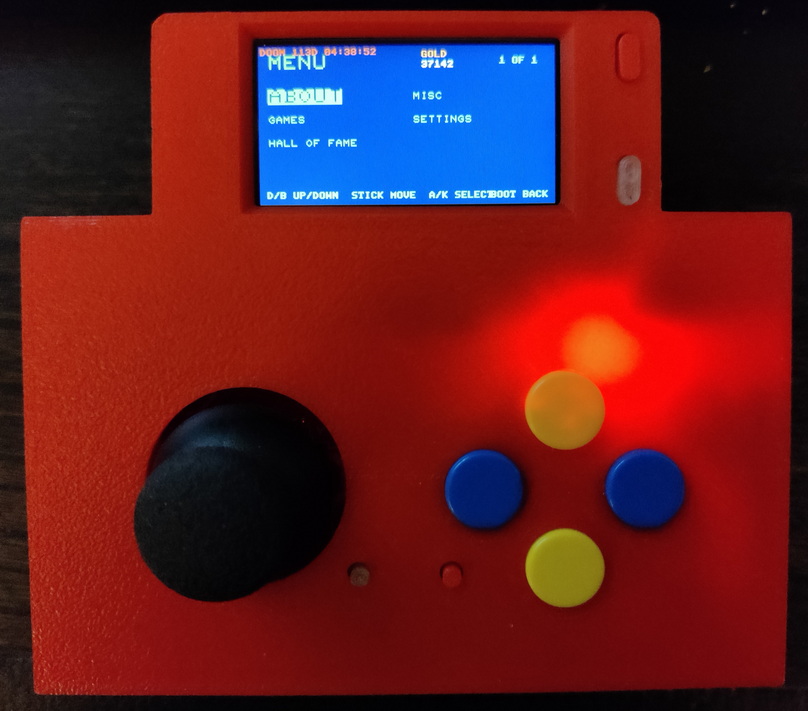
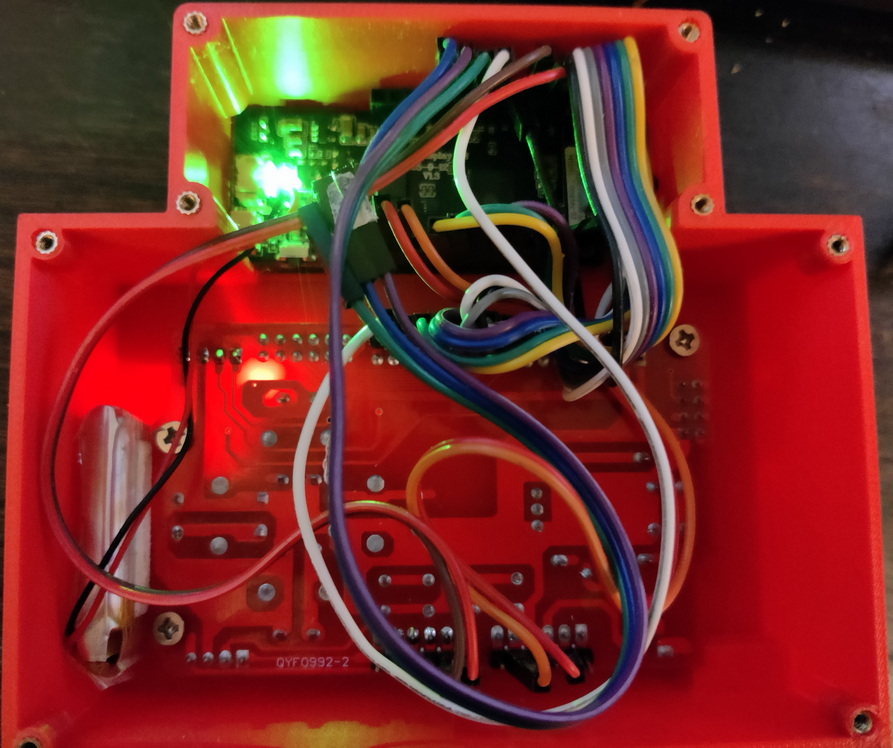
The Mini Arcade uses a 320 × 170 RGB565 framebuffer in PSRAM. The main application owns the display, while games remain separate C modules using shared graphics and audio interfaces.
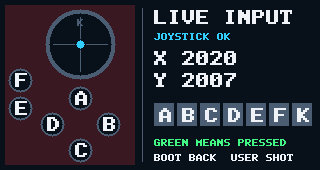
76 C source filesA physical joystick and arcade-style buttons drive the menus and games. BOOT provides shared Back/Home behaviour, while F provides shared pause and resume.
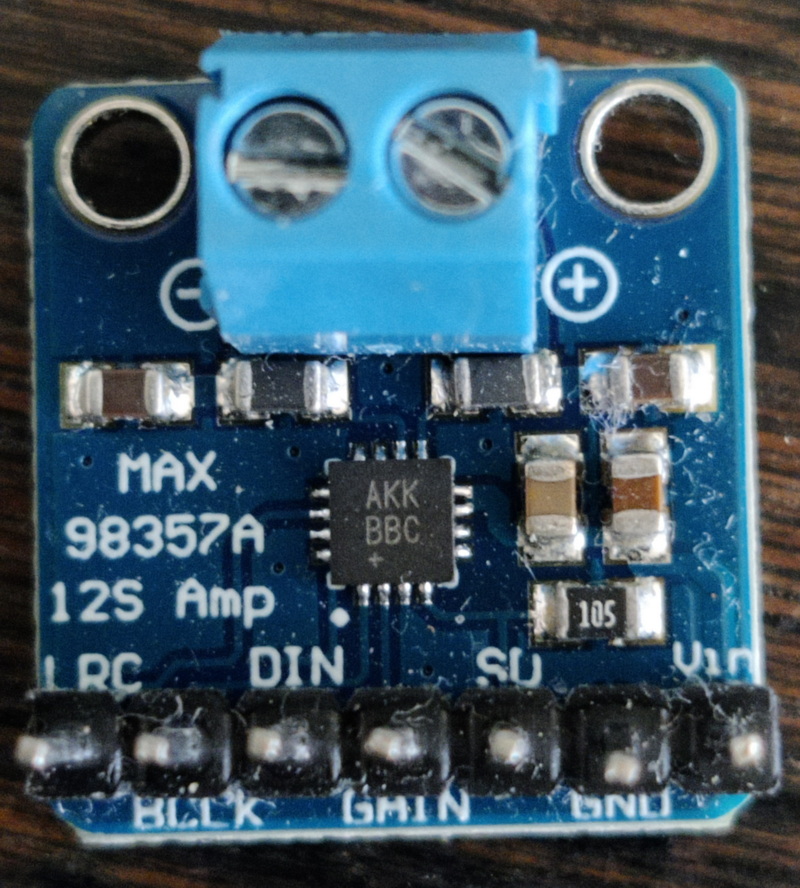
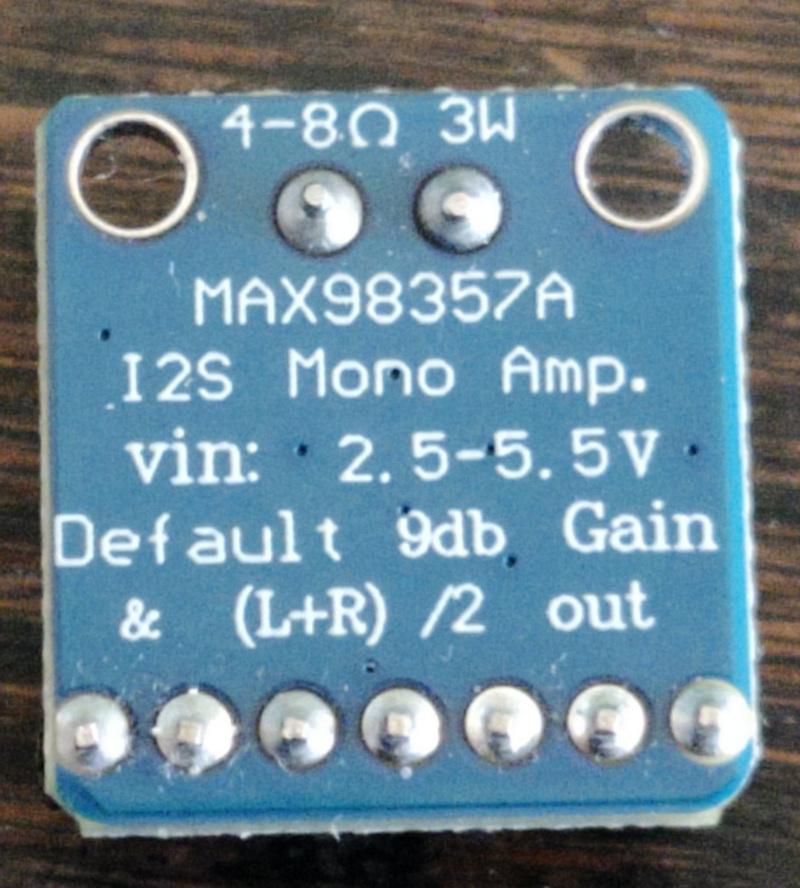
23 game entriesSPIFFS holds project assets and diagnostics. Direct mono I2S audio is wired for the amplifier, with the sound path maintained as a separately testable hardware baseline.
207 project assetsThis is an active build. Some features have been proven on the physical arcade; newer games and visual experiments continue to be developed and tested as the project grows.
Real photos of the Mini Arcade hardware and the games, experiments, and tools running on it.
Explore all Mini Arcade flowcharts Browse game logic, visual effects, menus, controls, and shared systems. Expand individual functions to follow decisions and linked calls from this source snapshot.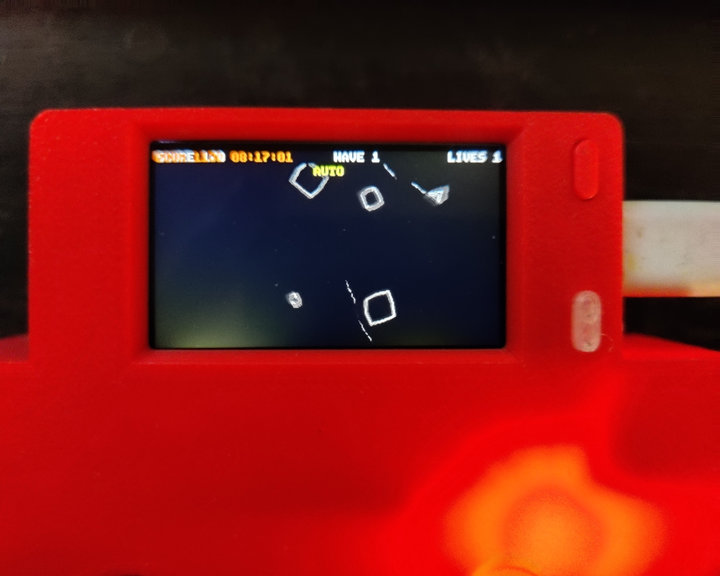
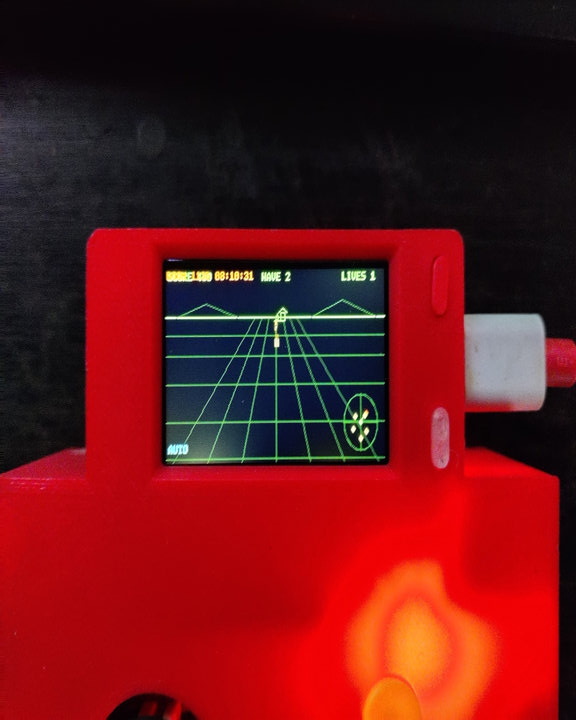
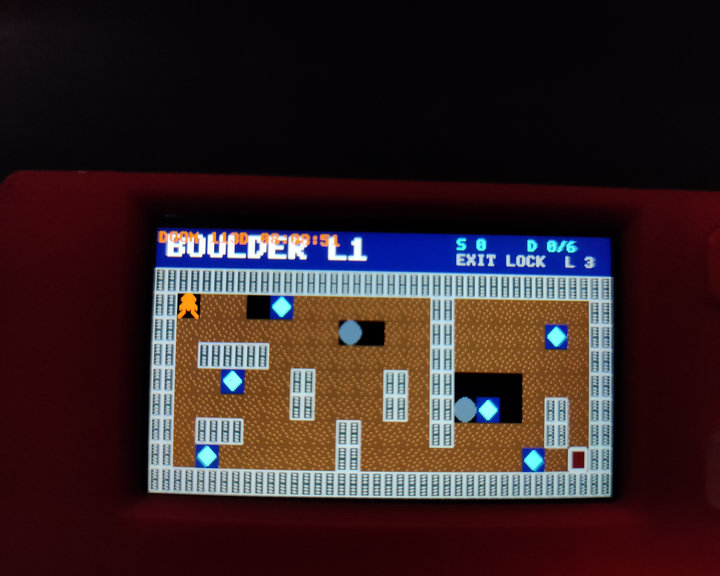
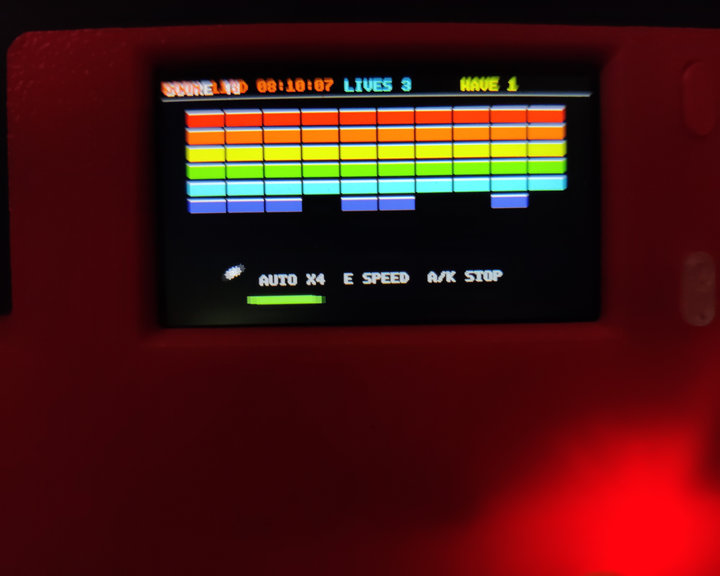
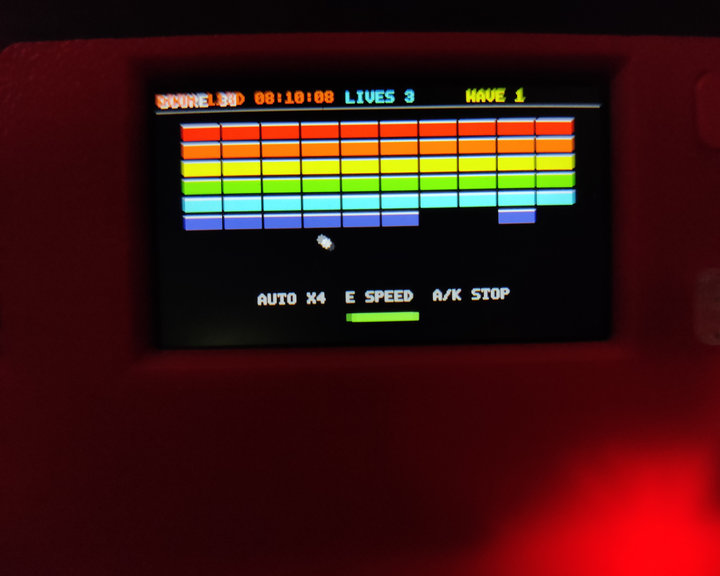
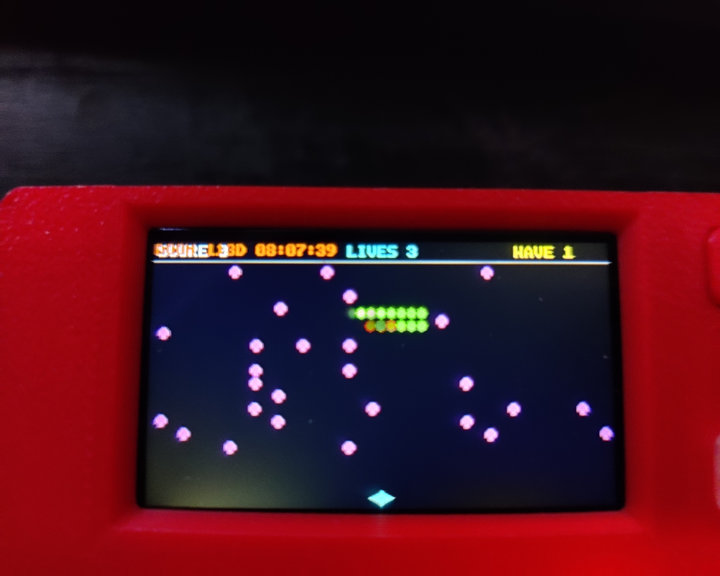
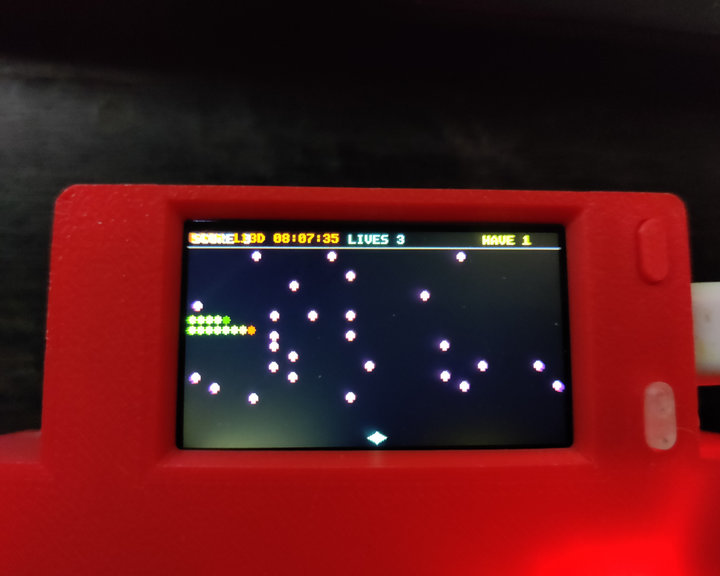
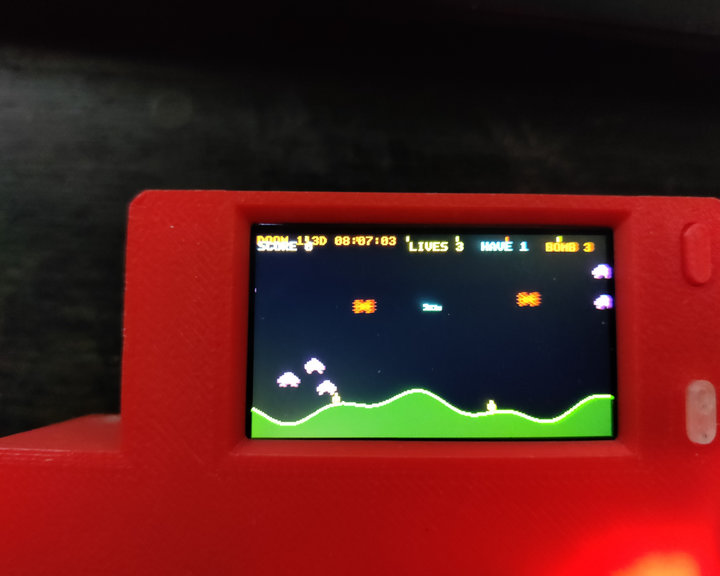
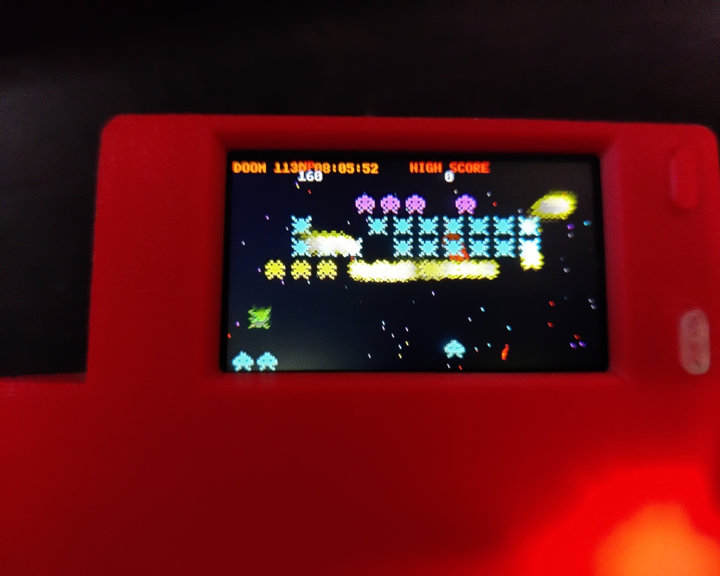
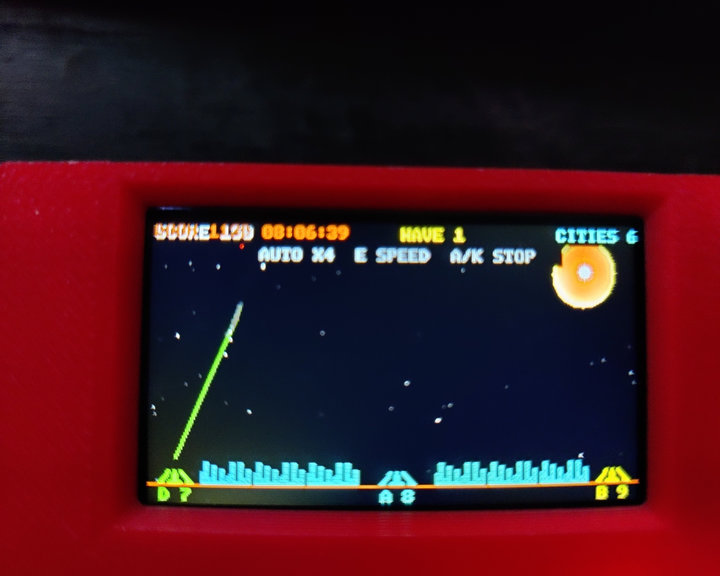
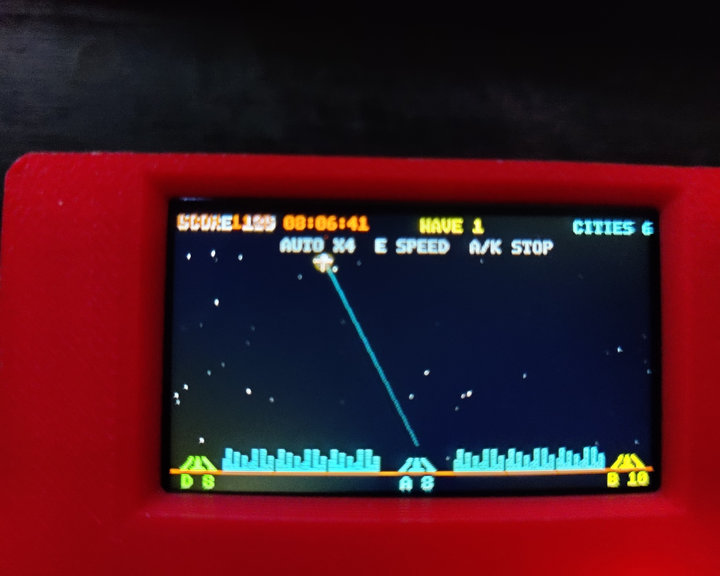
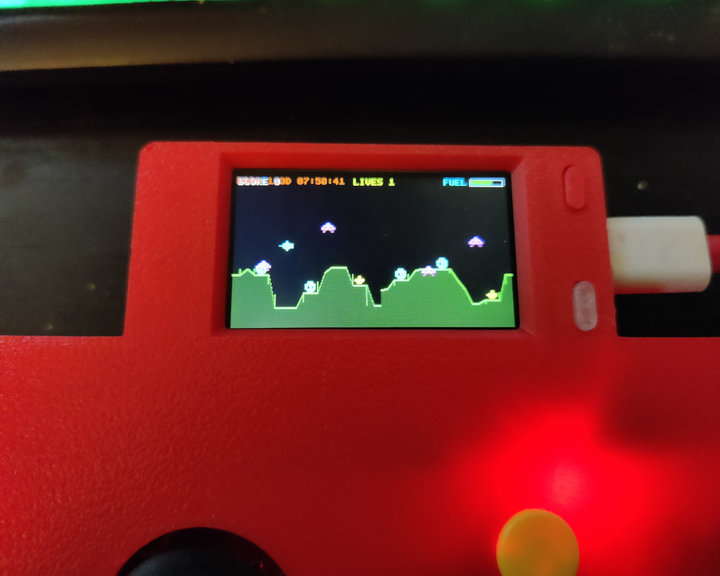
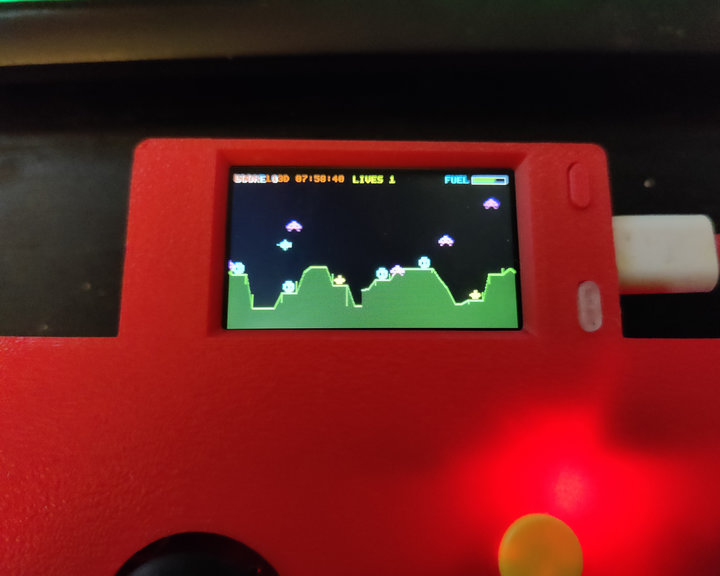
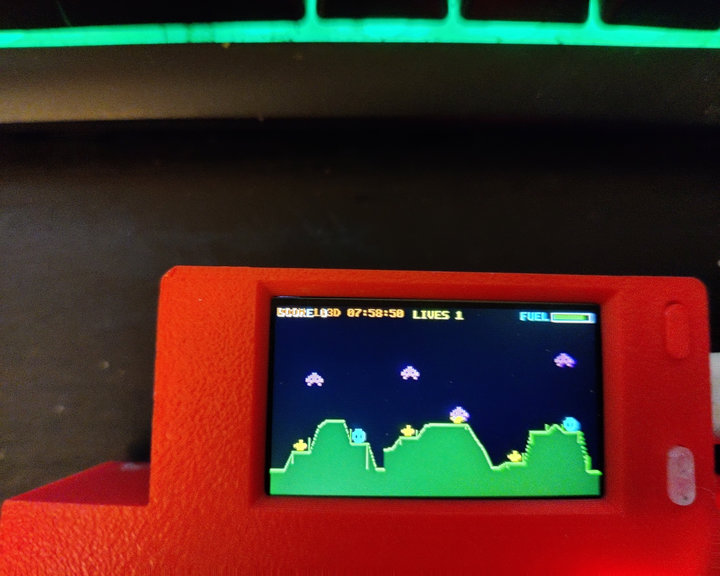
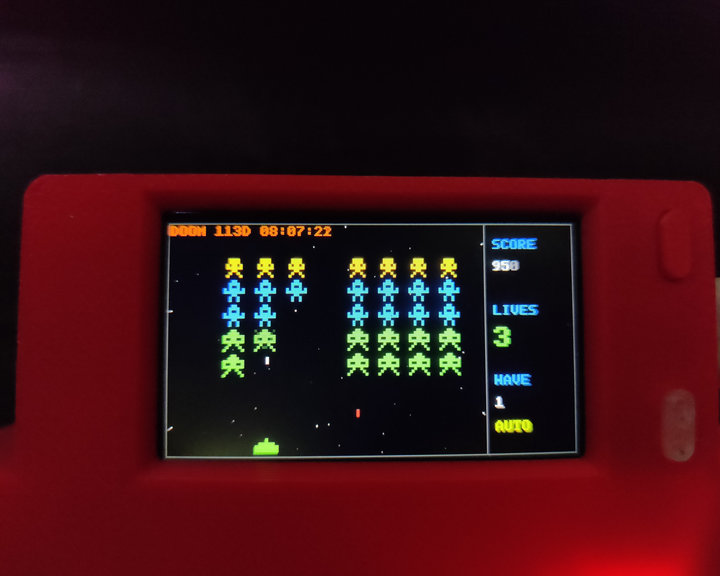
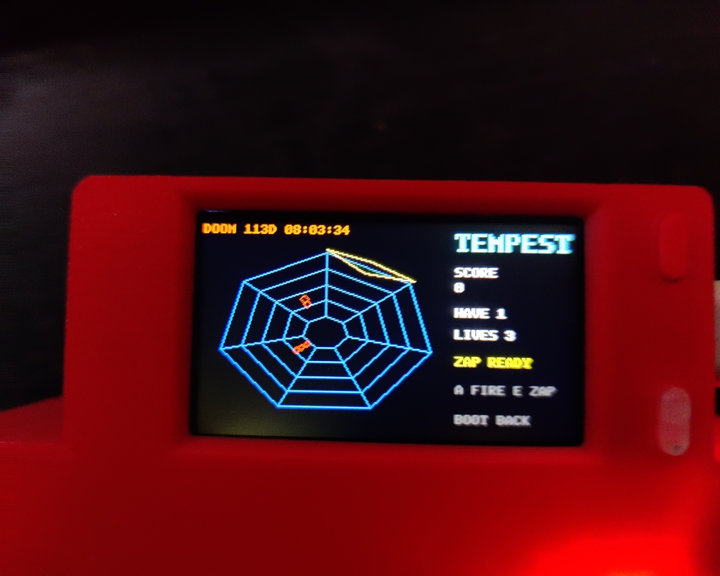
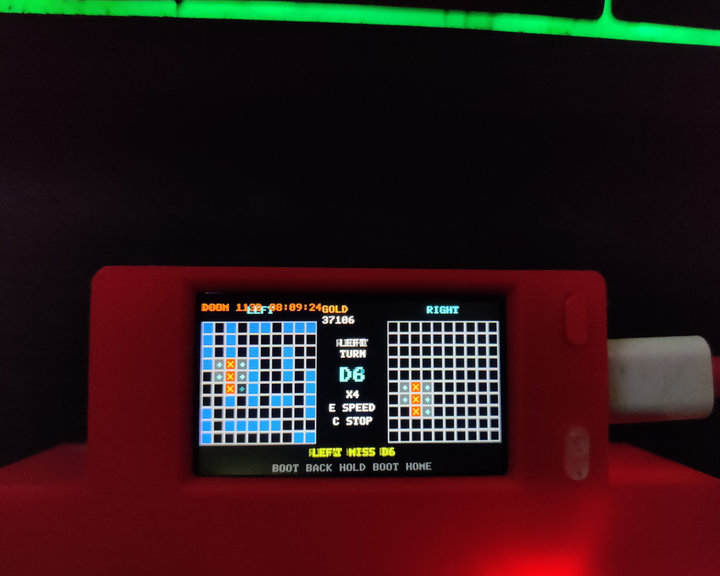
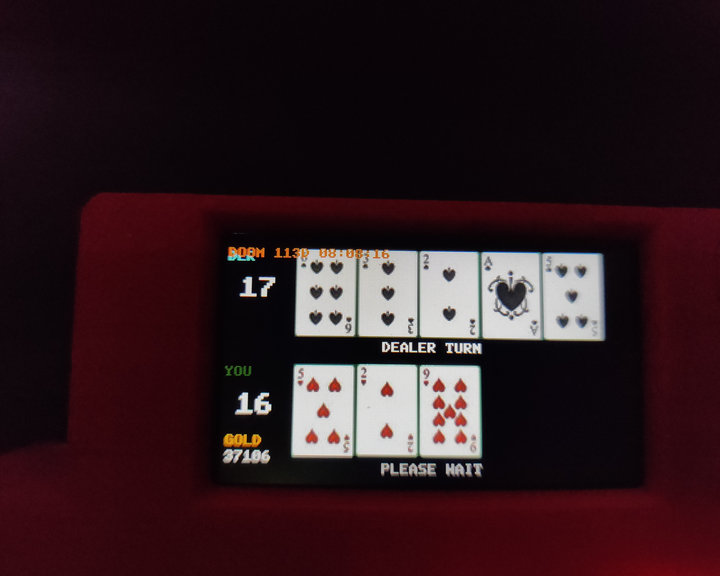
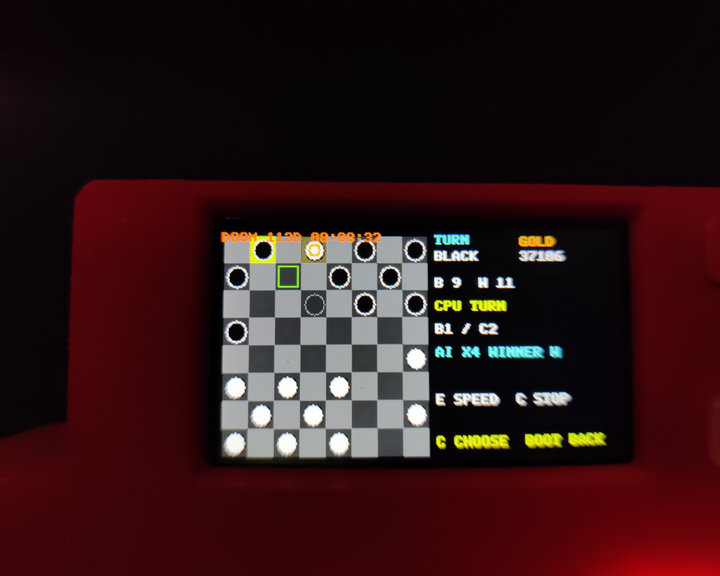
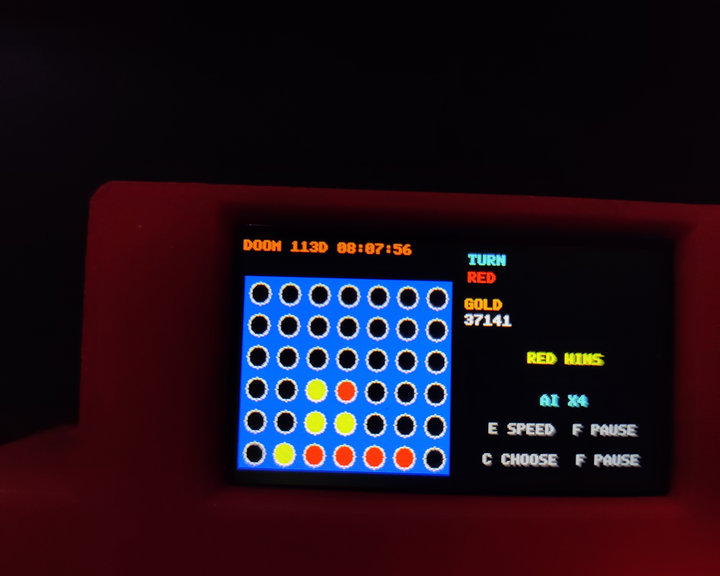
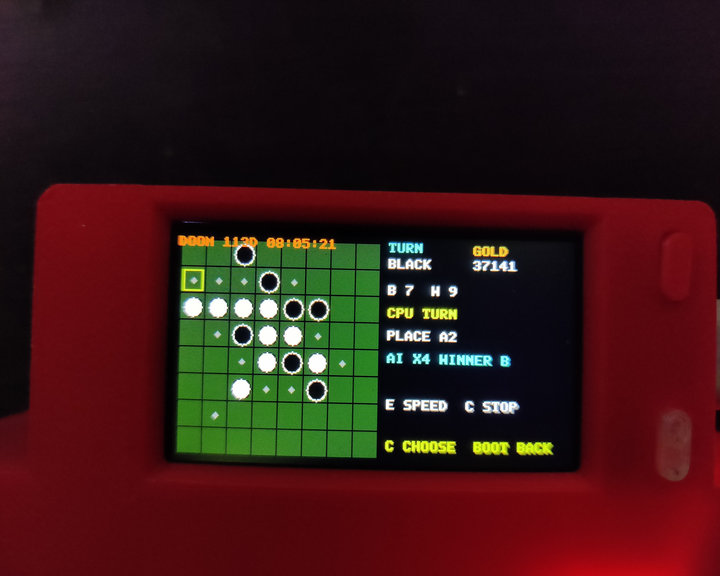
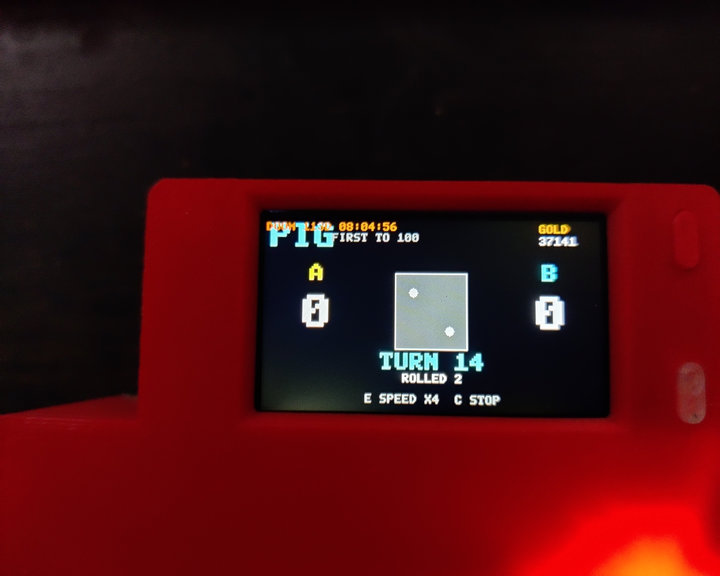
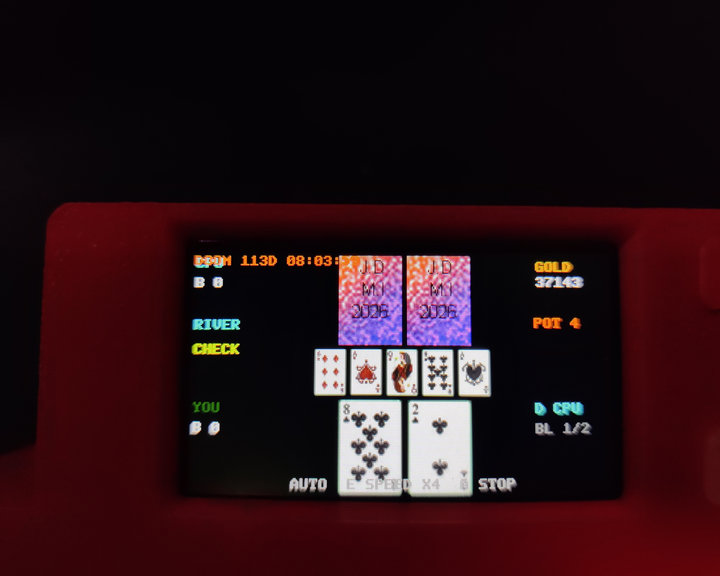
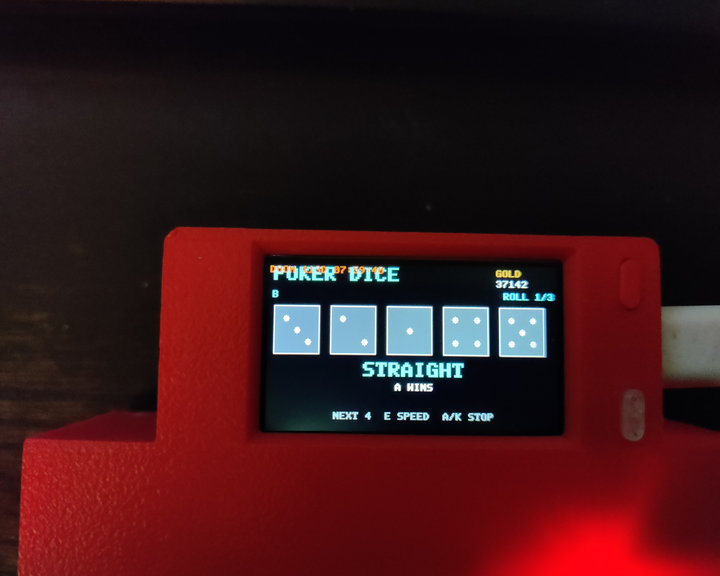
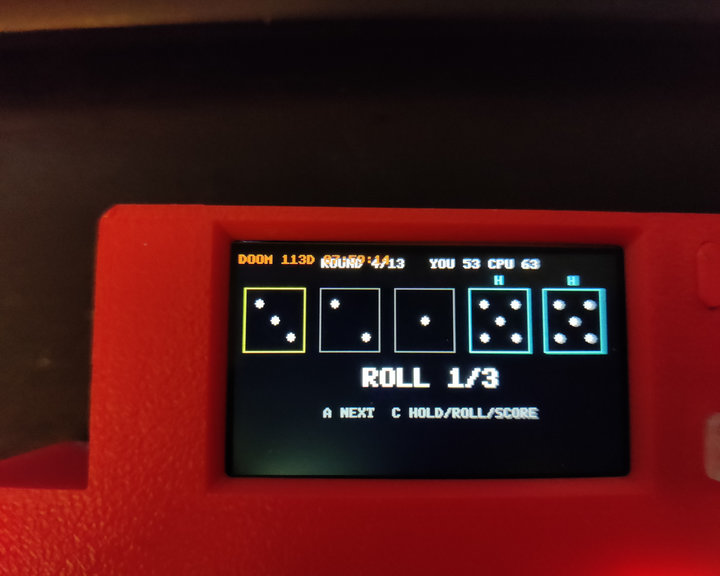
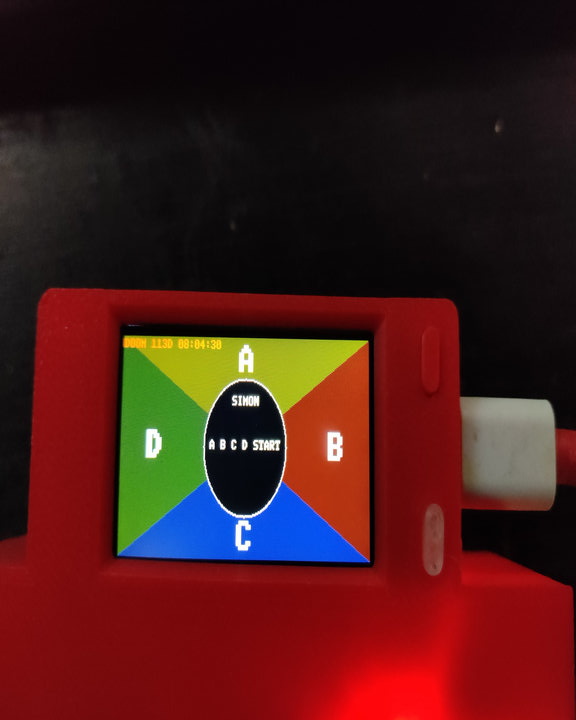
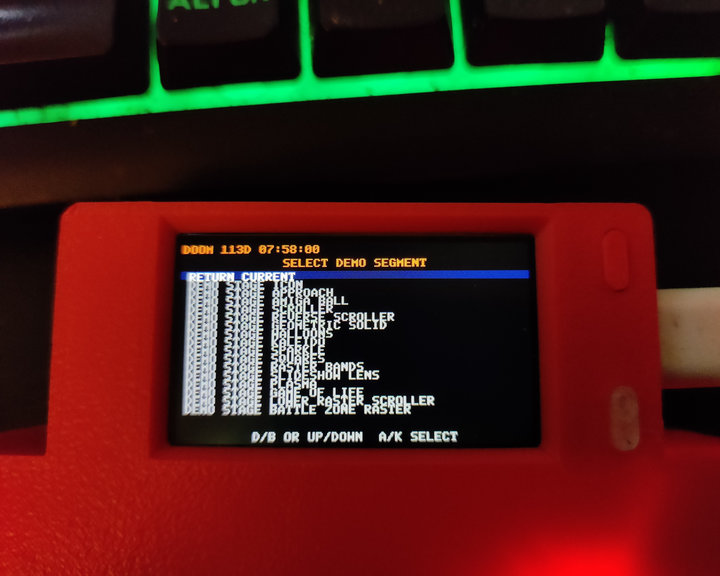
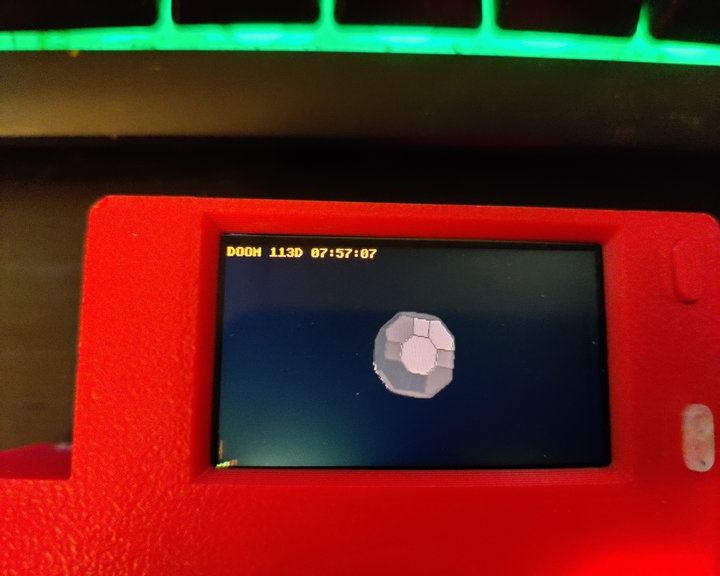
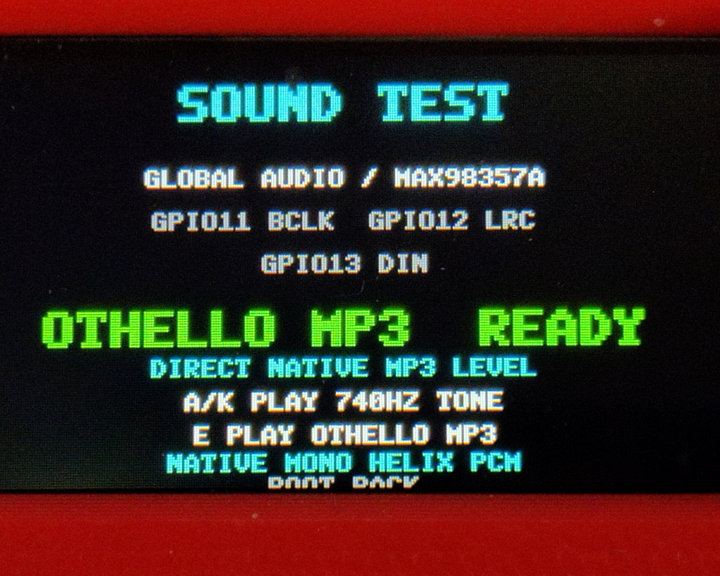
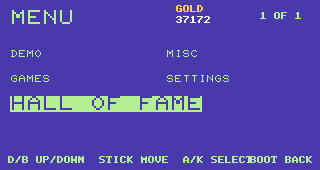
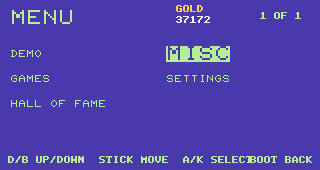
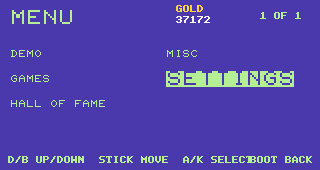
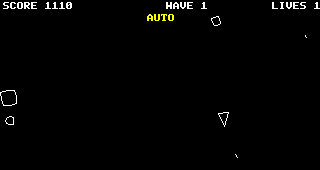
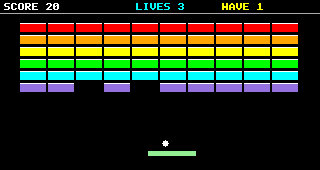
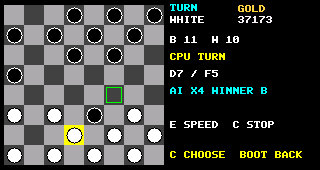
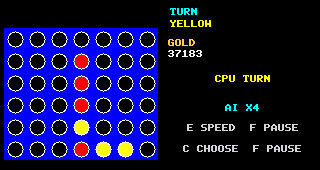
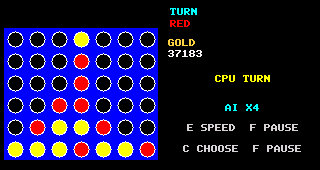
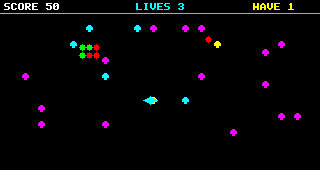
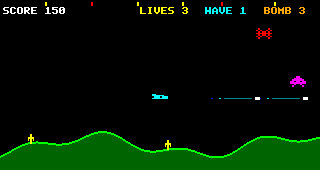
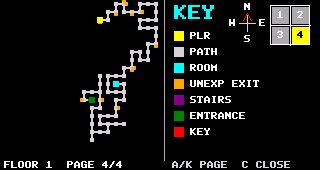
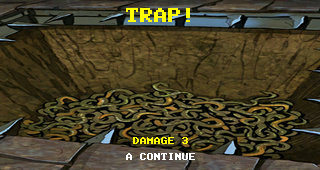
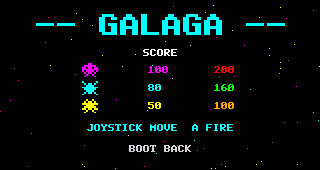
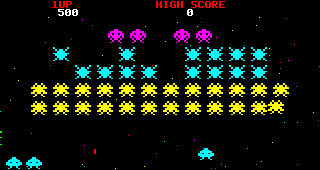
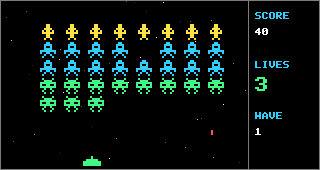
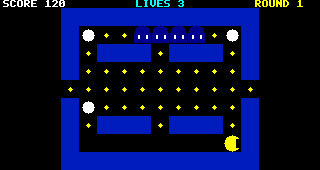
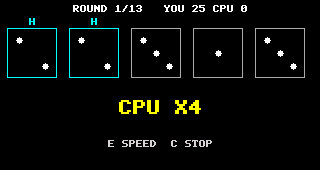
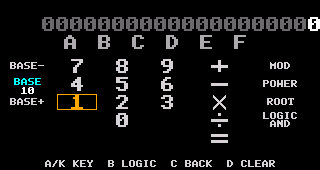
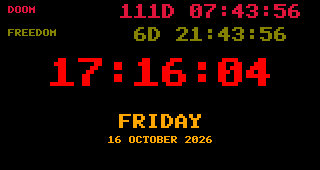
Direct captures from the Mini Arcade display, showing its menus, games, visual tools, and controller test.
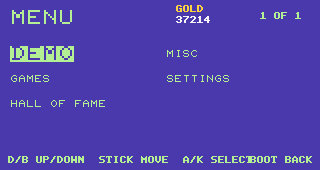
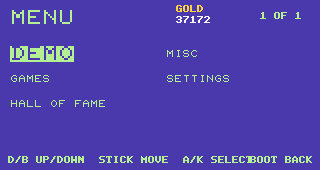
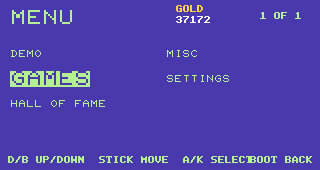
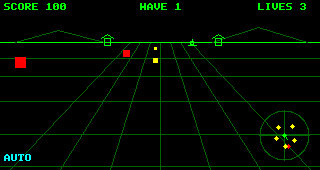
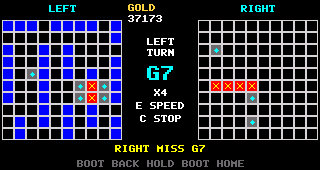
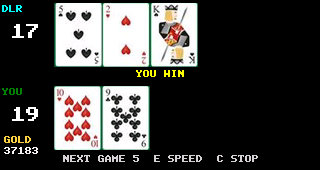
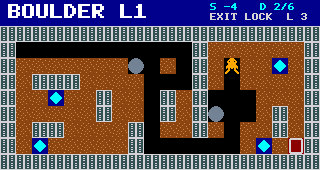

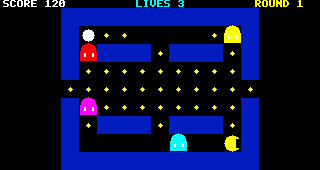
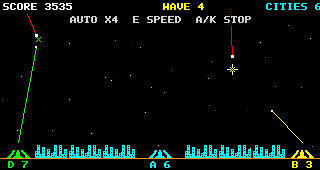
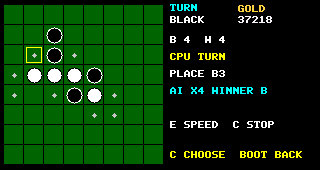
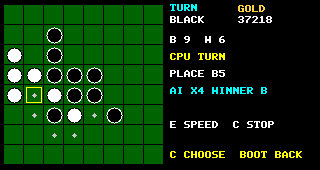
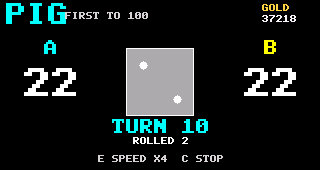
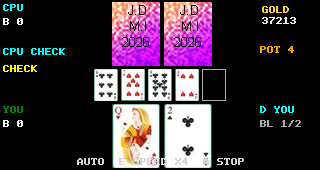
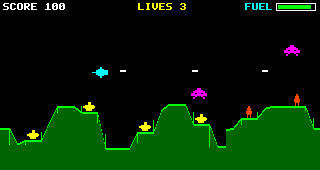
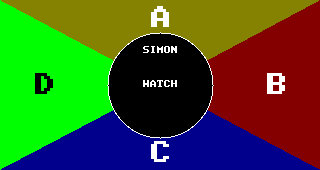

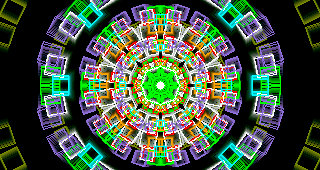
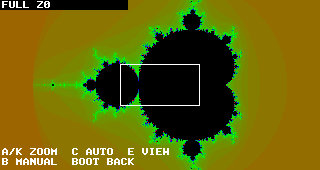
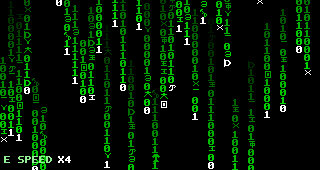

Project notes, development stories, and details about these screen captures will be added here.
Project details are taken from the current Mini Arcade firmware source and handover notes. More screenshots and build photographs will be added here as the project develops.